
The WePlay Project has published a new report focused on gamification from an educational perspective, offering a valuable contribution to the project’s pedagogical foundations. The report explores gamification not simply as the use of points, badges or rewards, but as a broader educational strategy that can help teachers design more engaging, participatory and meaningful learning experiences. From this perspective, gamification becomes a way to connect motivation, collaboration, creativity and problem-solving with clear learning objectives. This publication is especially relevant for WePlay, a European project that aims to help teachers and students create, play and share gamified learning activities across schools and countries. The project combines digital challenges with real-world activities, encouraging students to work together, explore their local environments and collaborate with peers from other European communities. The report also reinforces one of the key ideas behind WePlay: educational gamification must be inclusive, accessible and pedagogically meaningful. It should support teachers in creating activities that respond to real classroom needs, while helping students develop competences such as teamwork, critical thinking, digital literacy, communication and social-emotional learning. By approaching gamification from an educational perspective, the report provides a useful framework for the next stages of the project, including the design of the WePlay platform, the development of gamified learning experiences and the preparation of pilot activities with schools in different European countries. The publication of this report marks another important milestone for WePlay and contributes to building a shared understanding of how game-based approaches can enrich teaching and learning in rural and urban educational contexts. Read the full report here
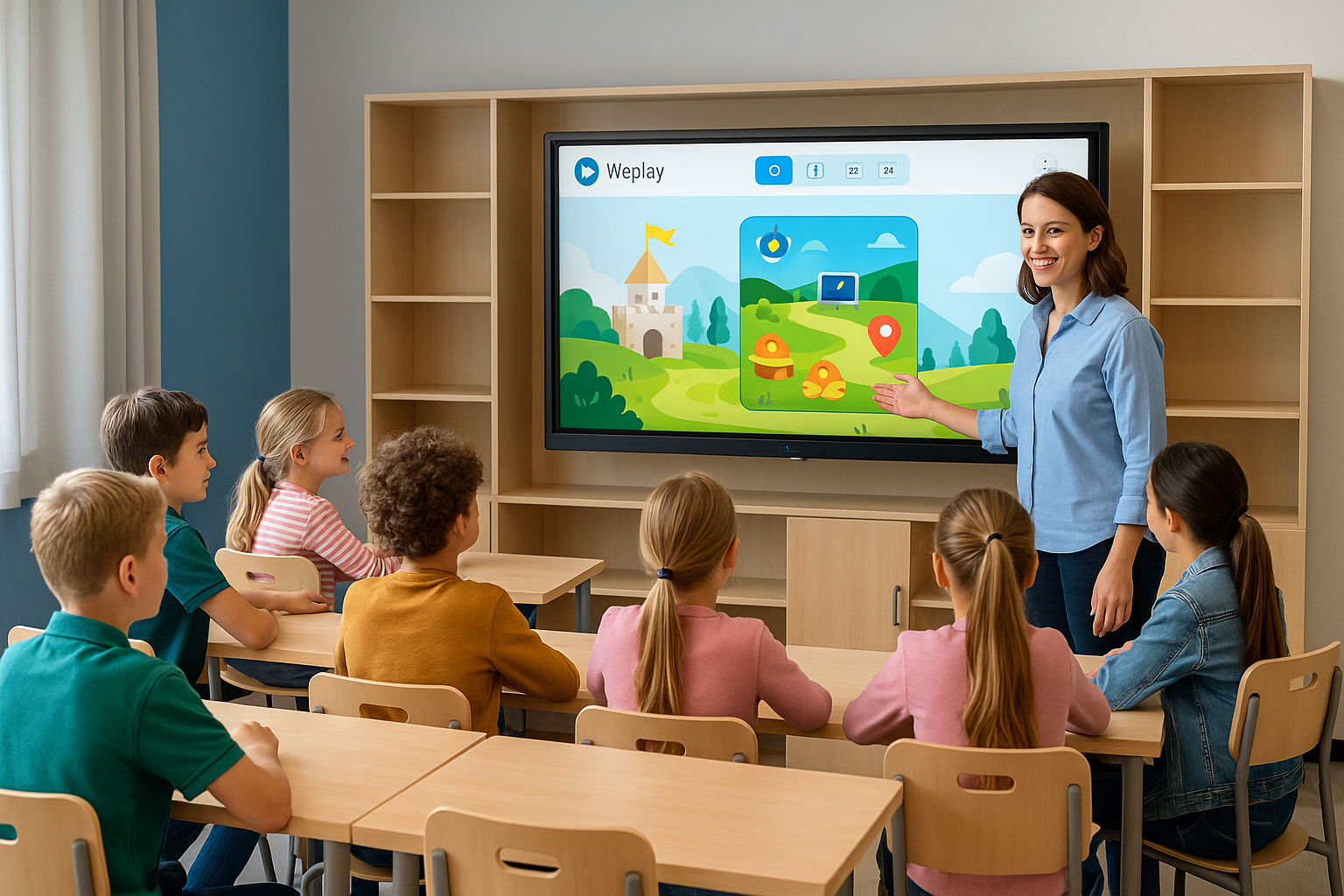
The WePlay journey begins: First newsletter available
The WePlay Project has published its first newsletter, marking an important step in the dissemination of the project and its activities across Europe. This first issue introduces WePlay as a European educational gamification project that connects rural and urban schools, turning classrooms into collaborative gamified learning spaces. The project will run for 24 months, starting in Spain in October 2025, and will focus on the co-creation of a digital platform, collaborative gamification activities and shared educational resources. The newsletter presents the main target groups of the project, including rural schools, especially in primary education, as well as urban schools, youth organisations, educators, researchers and students working in both formal and non-formal learning environments. It also highlights the project’s commitment to fostering inclusion, social cohesion and a shared European sense of belonging. Among the key outputs presented in this first newsletter are the development of a European educational gamification platform, a robust and inclusive digital infrastructure for cross-border collaboration, pilot learning experiences linked to the 2030 Agenda and Social Emotional Learning, research-based foundations on classroom gamification, and free, open and adaptable resources for schools and educators. The newsletter also introduces the European partnership behind WePlay, formed by Estela Cántabra from Spain, Universidad de Deusto from Spain, Vytautas Magnus University from Lithuania, Roscommon Leader Partnership from Ireland and Istituto Comprensivo di Bobbio from Italy. In addition, the first issue presents associated partners and pilot sites, including INDIRE – Research and Innovation for the Italian School and the Piccole Scuole Movement, rural schools in Spain, Italy, Ireland and Lithuania, and the Foróige youth association in Ireland. Through this first newsletter, WePlay invites schools, educators, youth organisations and local communities to follow the project, take part in future workshops and gamification sessions, explore the resources that will be developed and help spread the word using the hashtag #WePlayEU. The publication of this first newsletter represents a new milestone for the project and opens a channel to share updates, resources and opportunities for participation throughout the coming months. Language Newsletter Italian Download Italian version English Download English version Spanish Download Spanish version Lithuanian Download Lithuanian version
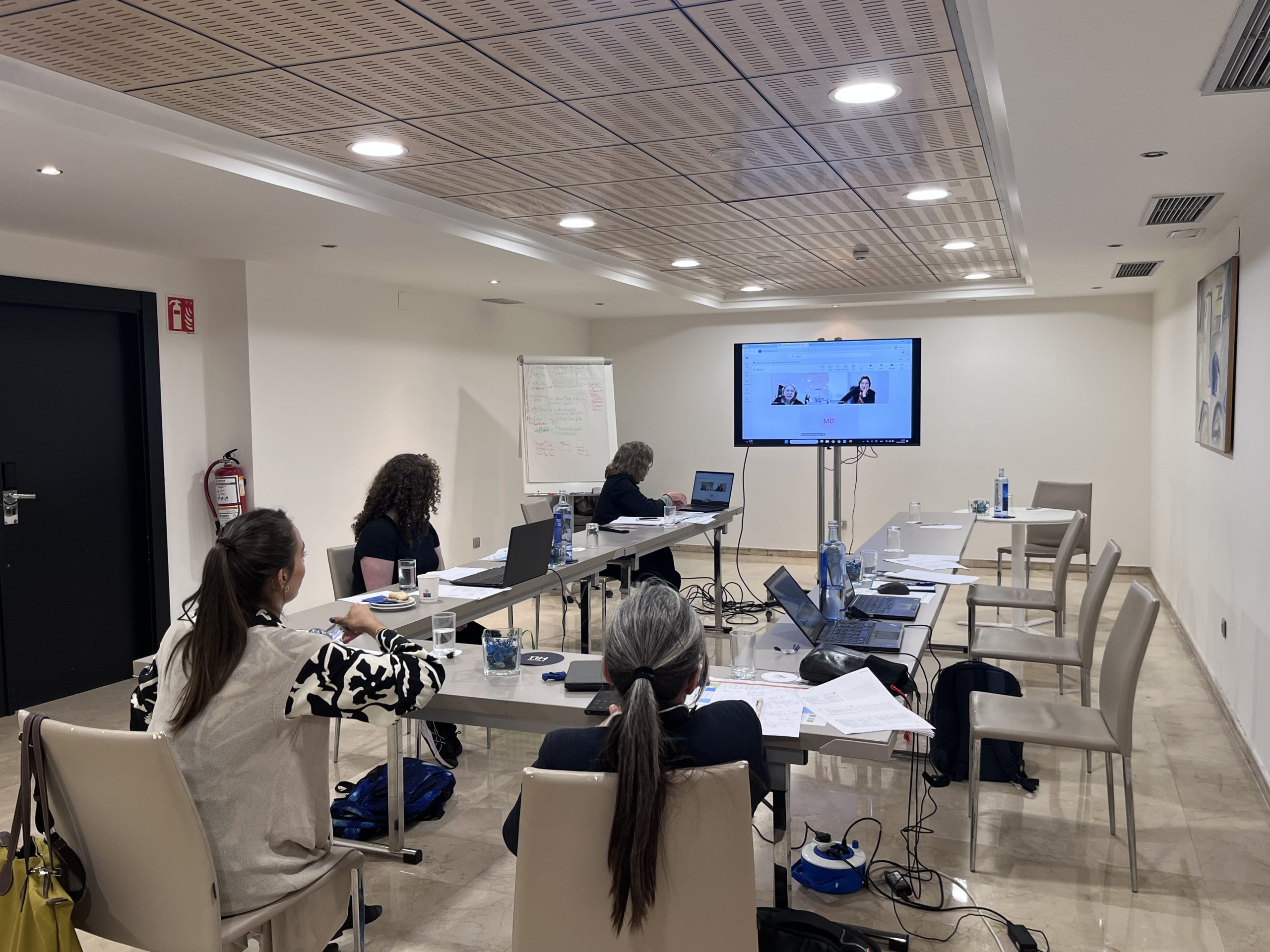
WePlay Project First transnational meeting in Santander
On 16 October 2025, the partners of the WePlay Project held their first transnational meeting in Santander, Spain, marking the official start of the project’s collaborative work. The meeting brought together the project partners: Estela Cántabra, Universidad de Deusto, Vytautas Magnus University, Roscommon Leader Partnership and Istituto Comprensivo di Bobbio. This first meeting was an important opportunity to establish a common vision for the project and to define the main priorities for the coming months. During the session, the partners reviewed the overall objectives of WePlay, a European educational gamification platform designed to help teachers and students create, play and share gamified learning experiences. The discussion focused on how the platform will support innovation, collaboration and inclusive learning, with special attention to rural schools and educational communities across Europe. One of the key outcomes of the meeting was the agreement on the project calendar and work plan. The partners defined the main phases of implementation, the responsibilities of each organisation and the coordination mechanisms that will guide the project throughout its development. The meeting also served to strengthen cooperation among the partners and to ensure that all organisations share a clear understanding of the project’s methodology, expected results and future activities. This first meeting in Santander represents an important milestone for WePlay and lays the foundations for the next stages of the project, including the development of the platform, the design of gamified educational experiences and the preparation of pilot activities with schools in different European countries.